Hastings’ place-based housing strategy is delivering tangible outcomes for local families, as shown in the latest economic report for the district.
The March 2025 Infometrics Quarterly Economic Monitor, received at the end of May, revealed a strong lift in housing activity and some easing of housing stress across the region.
Hastings recorded a 23.8 per cent increase in house sales over the past year – nearly double the national rate – and a 23.3 per cent rise in First Home Loan purchases, in contrast to national declines.
Meanwhile, the number of public houses increased to 1503 in Hastings over that year, while the number of households in emergency accommodation fell by 61 per cent.
These figures support a unified partnership across a range of organisations including Hastings District Council, iwi, Government and non-government agencies, and community housing providers.
Since 2019, the place-based partnership approach has focused on increasing supply, fast-tracking delivery, and better aligning housing with health, education, and social outcomes.
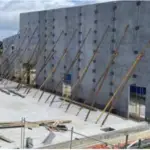
Practical outcomes of the plan to date had included consenting for 13 new papakāinga developments, 1500 new RSE accommodation beds (to take pressure off the rental and first home markets), more than 350 homes being built in Flaxmere comprising senior housing, affordable housing, and social housing, and a range of private developments across the district.
The first of the Flaxmere projects had been completed (Tarbet St and five stages of Waingākau), with the next tranche of homes expected to be available from February 2026.
Hastings mayor Sandra Hazlehurst said the data backed up what the community had long known.

“When you invest in housing people can afford, you shift the dial not only on homes, but also wellbeing, opportunity, and stability. This latest report shows more whānau are finding a secure place to live, and that’s a success story for all of us.”
Other positive indicators in the report included a 15.4 per cent reduction in the number of people on the housing register and an improvement in housing affordability, with Hastings now sitting below the national house-price-to-income ratio.
Mrs Hazlehurst said the place-based strategy remained one of the most significant efforts to tackle intergenerational housing need in Hastings, with more work still to be done.
“It’s been a whole-of-community effort – led locally, with central government backing – and the benefits are becoming clearer by the day.”
In the coming year, Council and its partners continue to prioritise additional senior and affordable housing developments across the district.